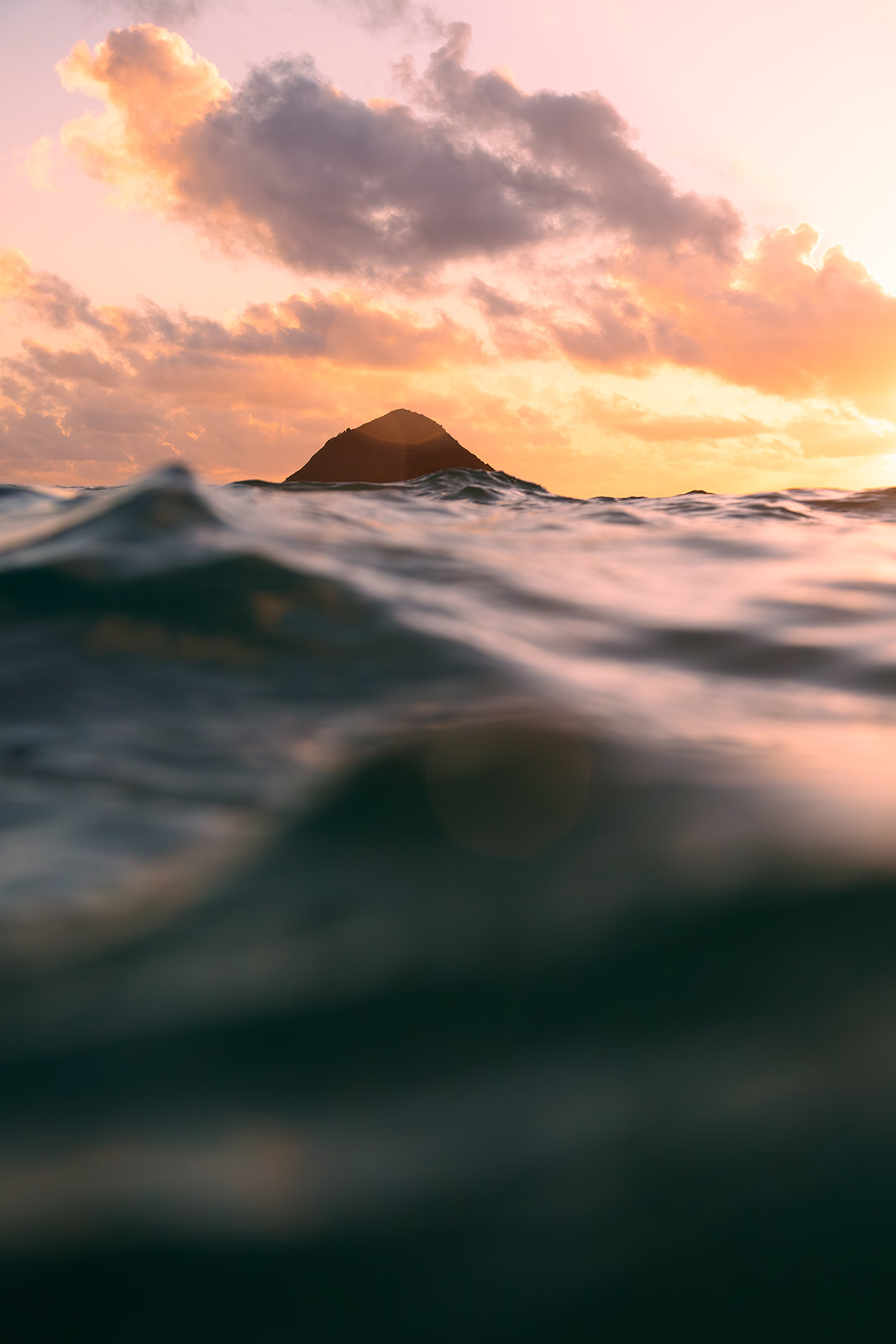
A Local Photographer’s Guide to Navigating O’ahu with Aloha
I’m answering the most common (and some of the funniest!) questions I get about O’ahu. From “10-minute rain” to why we don’t do daylight savings.
If you’re currently planning your Hawaii vacation, I know exactly what your search history looks like. You’re likely swirling with questions about logistics, local etiquette, and—most importantly—how to make sure those vacation photos don’t just end up as blurry selfies. It’s completely normal to feel a little overwhelmed! As a local here on the island, I see these questions popping up on Facebook daily, and they’re the exact same things my photography clients ask me the moment we start planning their sessions.
I wanted to put together a guide that goes beyond the typical travel brochure to give you the real-deal perspective on how to enjoy O’ahu as we do and to help answer some of the most popular questions, so you can spend less time stressing and more time dreaming of the Pacific. And honestly? If you’re coming all this way to a place as stunning as O’ahu, you absolutely deserve to be in the frame. I highly recommend booking a photo shoot while you’re here—it’s the best way to make sure your memories aren’t just stuck on a phone, but captured beautifully forever.
When is the best time to visit?
The million-dollar question! If you look at the calendar, our busiest—and most expensive—times are usually Spring Break (late March) and the heart of summer (June through August). This is when you’ll find that iconic Hawaii weather everyone dreams about. It’s warm, the sun is out, and while it’s always humid here, the summer heat is usually manageable thanks to our trade winds.
If you can swing it, my personal secret for the absolute best time to visit is October and the beginning of November. The weather is spectacular, and you get this beautiful “fall transition” before the massive winter swells arrive. It’s a bit quieter, the water is still very warm, and you get that perfect balance of sunshine and island breeze.
Where Should You Stay?
Everyone has different preferences for hotel points and loyalty, but the “vibe” of your trip really depends on where you plant your feet. If you want everything at your fingertips and don’t want to worry about a car, stay in Waikiki. It is completely walkable, full of energy, and Uber is always just a minute away. For those craving a more “small town” local feel, look for an Airbnb in Kailua. It’s charming, the beaches are world-class, and it feels much more relaxed than the city. If you’re in total resort mode—especially if you have kids—Ko Olina on the West Side is the place to be. Disney Aulani is phenomenal; the pools are a dream, and the sunsets over the lagoons are some of the best on the island. Finally, if you want that rugged, “country” feel with a touch of luxury, head up to the North Shore to experience the slower pace of life.
A Waikiki Pro-Tip: Watch the Event Calendar! Waikiki hosts a few massive, world-class events every year that can catch visitors off guard. Events like the Honolulu Marathon (December) and the Hapalua Half Marathon (April) attract tens of thousands of runners from around the globe. During these times, traffic routes are redirected, hotels hit 100% capacity, and the area is buzzing with energy.
Similarly, keep an eye out for the Na Wahine O Ke Kai (September) and the Molokaʻi Hoe (October). These are the legendary canoe paddling races that cross the channel from Molokaʻi to O’ahu. They are huge milestones in the paddling world and true feats of human endurance. If you happen to be here during these events, go check out the finish line! It is an incredible atmosphere, but just know that “getting places fast” isn’t going to happen. Check the local calendar before you book your flights to see if your dates align with these major surges.


Don’t Let the Weather App Ruin Your Mood
I see so many travelers panicking a week before their trip because their weather app shows rain clouds. Here is the local secret: the weather apps are really just guessing until you are about one or two days out. Anything further than 48 hours is just a guess based on general patterns. We get frequent “blessings”—short, passing rain showers—that usually last about ten minutes. Unless there is a major storm system, just wait it out. By the time you finish a coffee, the sun will likely be back. And as far as temperature goes, Hawaii is pretty much in the 70s and 80s all year long. So no need for big jackets or too many long pants, for most people, it will feel warm.
The Waikiki Bubble and How to Rent a Car Through a Local
Most people think a trip to O’ahu begins at a car rental counter. But if you’re staying in town, let me give you a better way. Instead I recommend you land, grab your bags, and call an Uber or Lyft. By bypassing the airport rental lines and the $50/night hotel parking fees, you save a ton of money. Stay in the Waikiki “bubble” for a few days—walk to the beach, take the bus, or walk to a cafe.
When you’re ready to see the rest of the island, use something like Drive Hui or Turo. Find a local host, have the car dropped at your hotel for 24 hours, explore the North Shore, and hand back the keys when you’re done. No parking headaches, just pure freedom.


The Island-Hopping Myth: “If You’ve Seen One, You’ve Seen Them All”
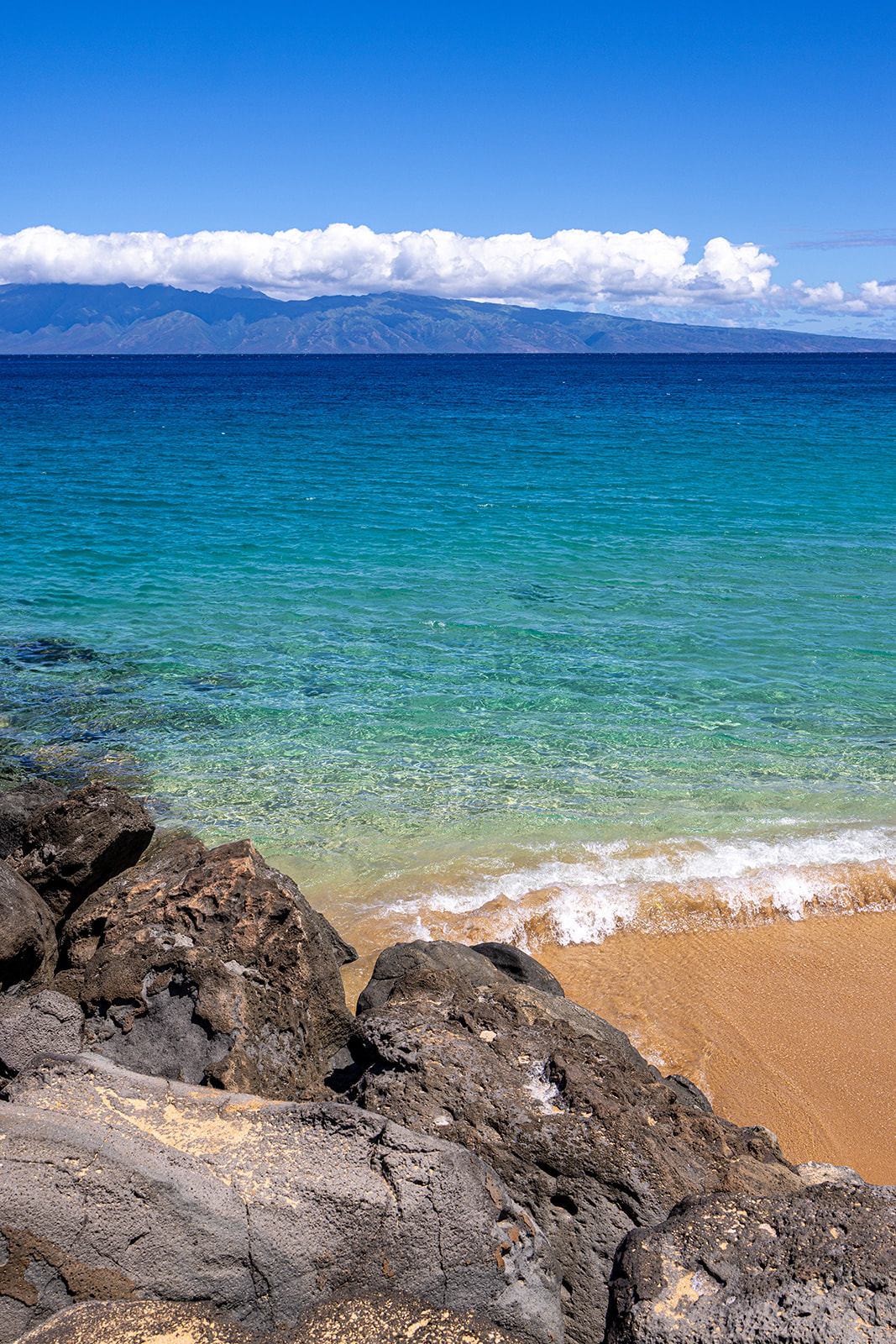
One of the biggest misconceptions is that the islands are interchangeable. Trust me, they aren’t! Because of how the islands were formed over millions of years, they are at completely different stages of their “life cycles.”
- Kaua’i is the oldest of the main islands—it’s incredibly lush, green, and “wrinkled” with deep canyons.
- The Big Island (Hawai’i) is the youngest, where land is actively being formed by volcanoes, resulting in vast, dramatic, and sometimes barren lava fields.
- O’ahu is the “Gathering Place,” balancing the fast-paced energy of Honolulu with the laid-back country vibes of the North Shore.
Each island has its own ecosystem, its own pace, and its own unique lifestyle. You haven’t “done” Hawaii just by visiting one island!
How to Get Between Islands (The Day Trip Strategy)
I get asked all the time: “Can we take a ferry to Maui?” The answer is no. There are no passenger ferries or boats between the major islands. To get around, you have to fly.
- The 40-Minute Flight: Inter-island flights are short, easy, and often surprisingly affordable. You basically take off, get a quick juice, and you’re landing.
- The “Wet Suit” Day Trip: It is totally possible to catch a 6:00 AM flight to Kaua’i or Maui, spend the whole day exploring and swimming, and be back on O’ahu for dinner. It’s a local rite of passage to board your return flight in a slightly damp bathing suit because you stayed in the water until the very last second!
- Pro Tip: While day trips are fun, each island has so much to offer that I always recommend trying to give each one its own dedicated trip if you can.

Island Time vs. Traffic Time (Check the Map!)
One of the biggest mistakes visitors make is underestimating how long it takes to get around. Yes, O’ahu is a relatively small island, but it is dominated by massive mountain ranges. Those mountains in the middle act like giant walls—you can’t just drive from A to B in a straight line; you have to go around them.
Because there are only a few main arteries, traffic can be heavy, and “island miles” take much longer than “mainland miles.” Much of this is also due to much slower speed limits than most people are used to.
- Don’t try to “do it all” in one day. Trying to hit Pearl Harbor, the North Shore, and Kailua in a single day isn’t a vacation—it’s a marathon. You’ll spend four hours of your day looking at the bumper of the car in front of you.
- Group your regions. If you’re heading to the North Shore, pair it with the Windward (East) side. If you’re heading to the West side (Ko Olina), plan to stay over there for the day. Crossing from the West side to Kailua can easily take an hour and a half, depending on the time of day.
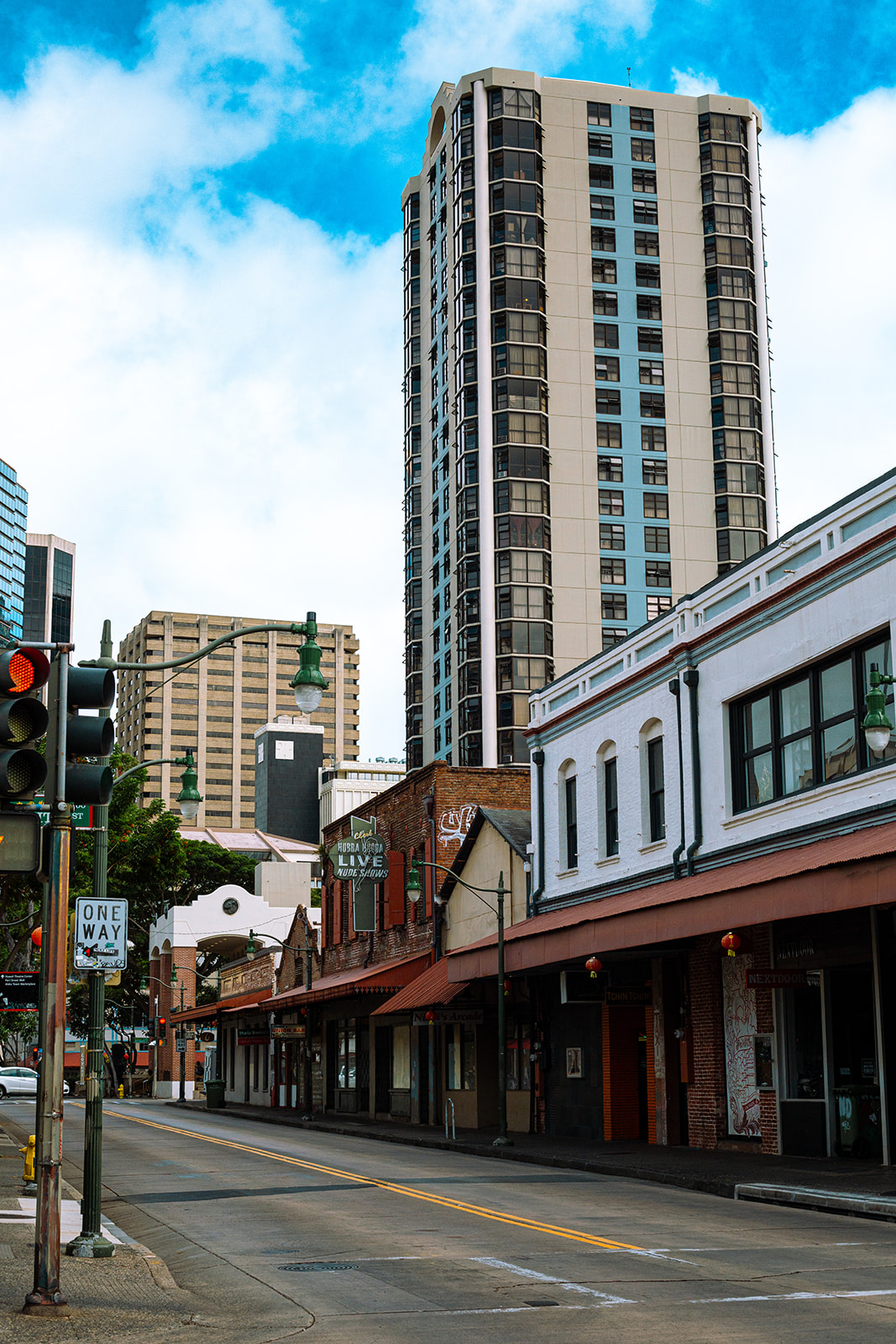
The Rush Hour Reality Check
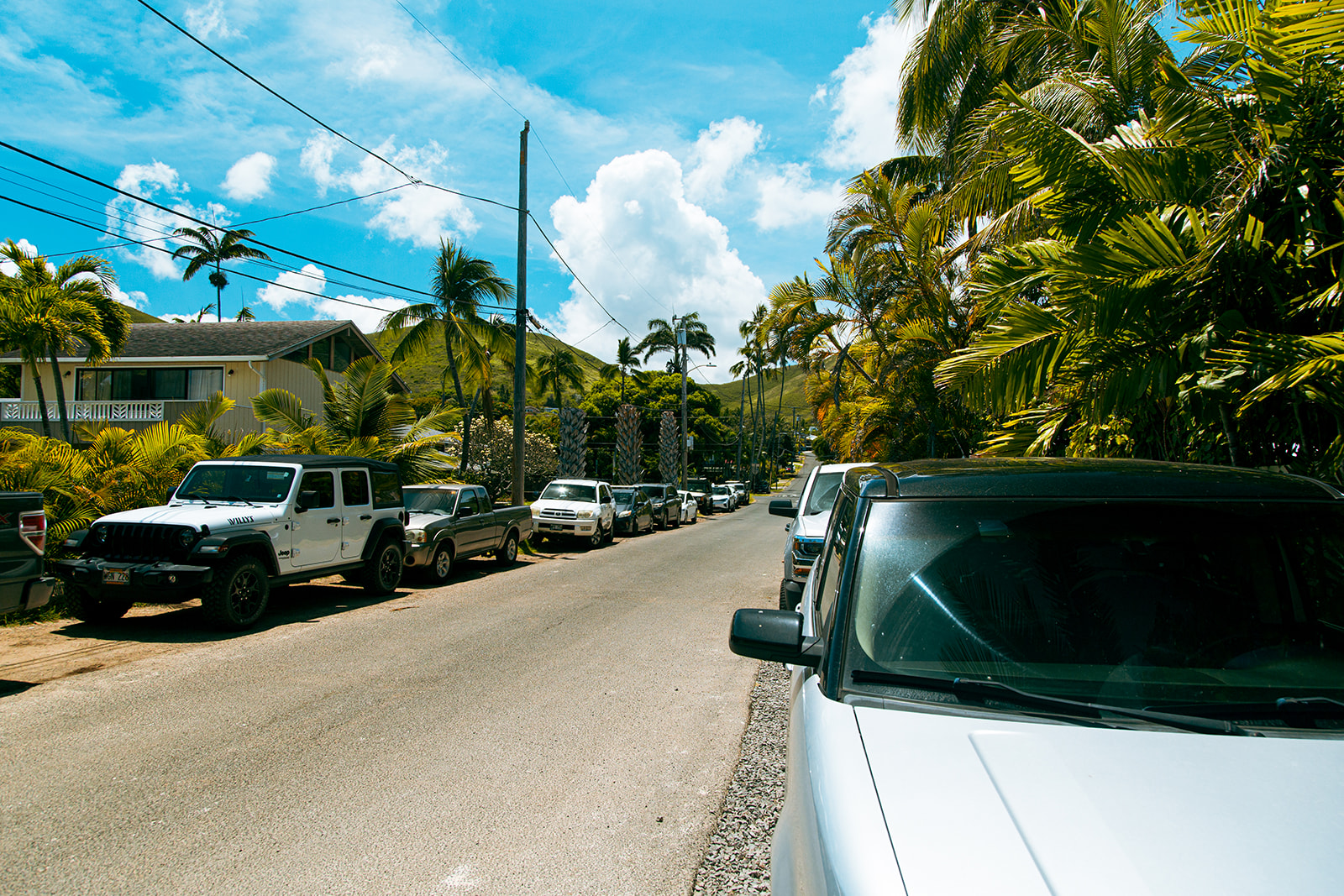
The same route can look completely different at 10:00 AM versus 4:00 PM. Because there are only a handful of ways to get from one side of the island to the other, “peak hours” can make you quite miserable if you’re stuck in them.
- The Morning Grind (7:45 AM – 8:15 AM): This is the heavy commute into town. If you’re trying to get to a morning tour or Pearl Harbor during this window, give yourself double the time.
- The Afternoon “Double-Peak”: Unlike many places, our traffic starts early. You have the “after-school” rush around 2:00 PM – 3:00 PM, followed immediately by the standard work commute from 4:00 PM – 6:00 PM.
- Be Strategy-Minded: Since you’re on vacation, use your flexibility! If it’s 4:00 PM and you’re across the island, don’t jump in the car. Instead, grab a bite to eat, find a beach for sunset, or do a little extra shopping. Wait until the traffic clears, and you’ll have a much more peaceful drive back.
- Weekend Advantage: If you have a big cross-island trip planned, try to schedule it for a Saturday or Sunday. The roads are generally much more chill than during the work week, you’ll just need a little extra time to look for parking.
💡 Pro-Tip: Always check a live map (like Google Maps or Waze) before you leave. If the line is dark red, just stay where you are and enjoy another hour of paradise!
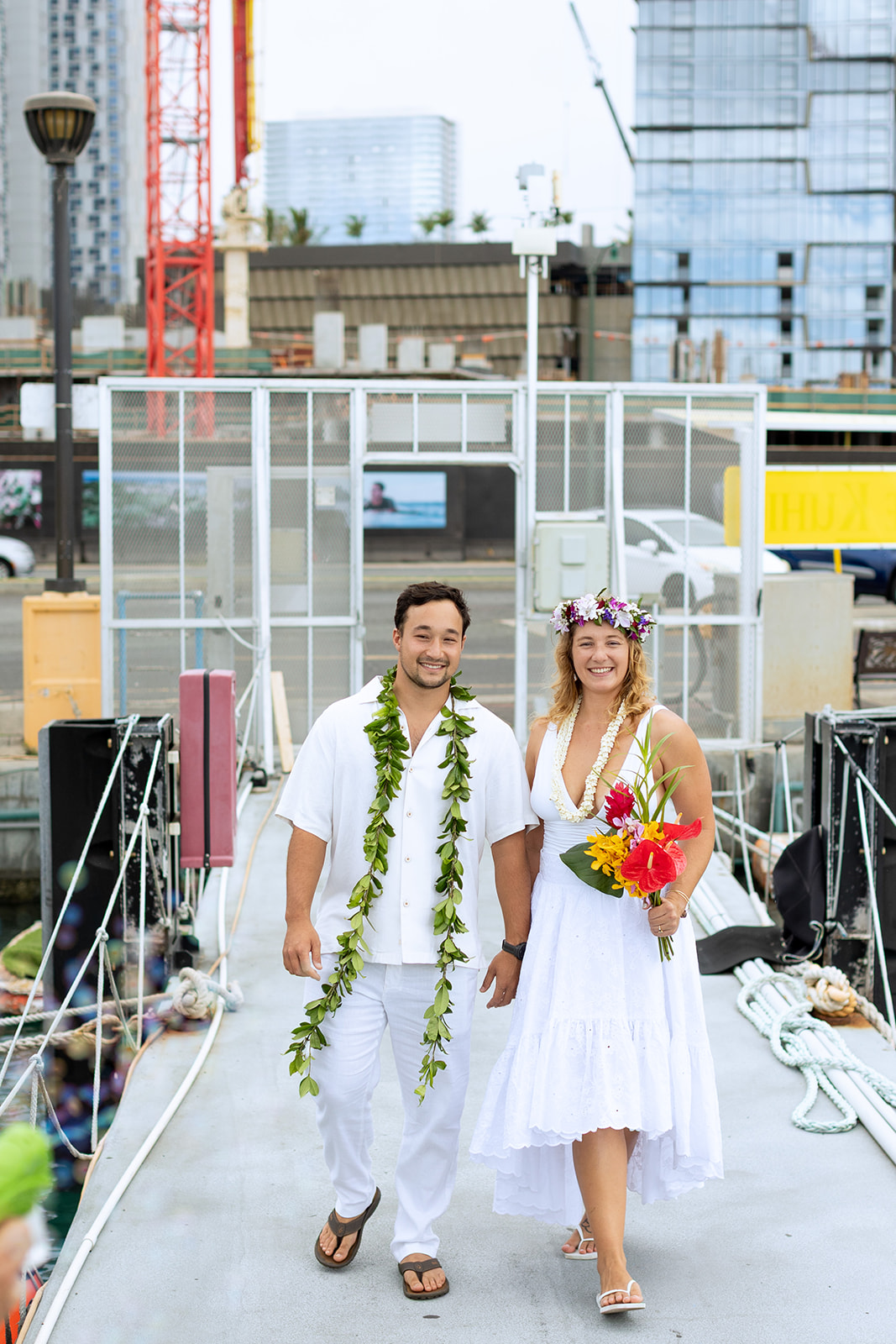
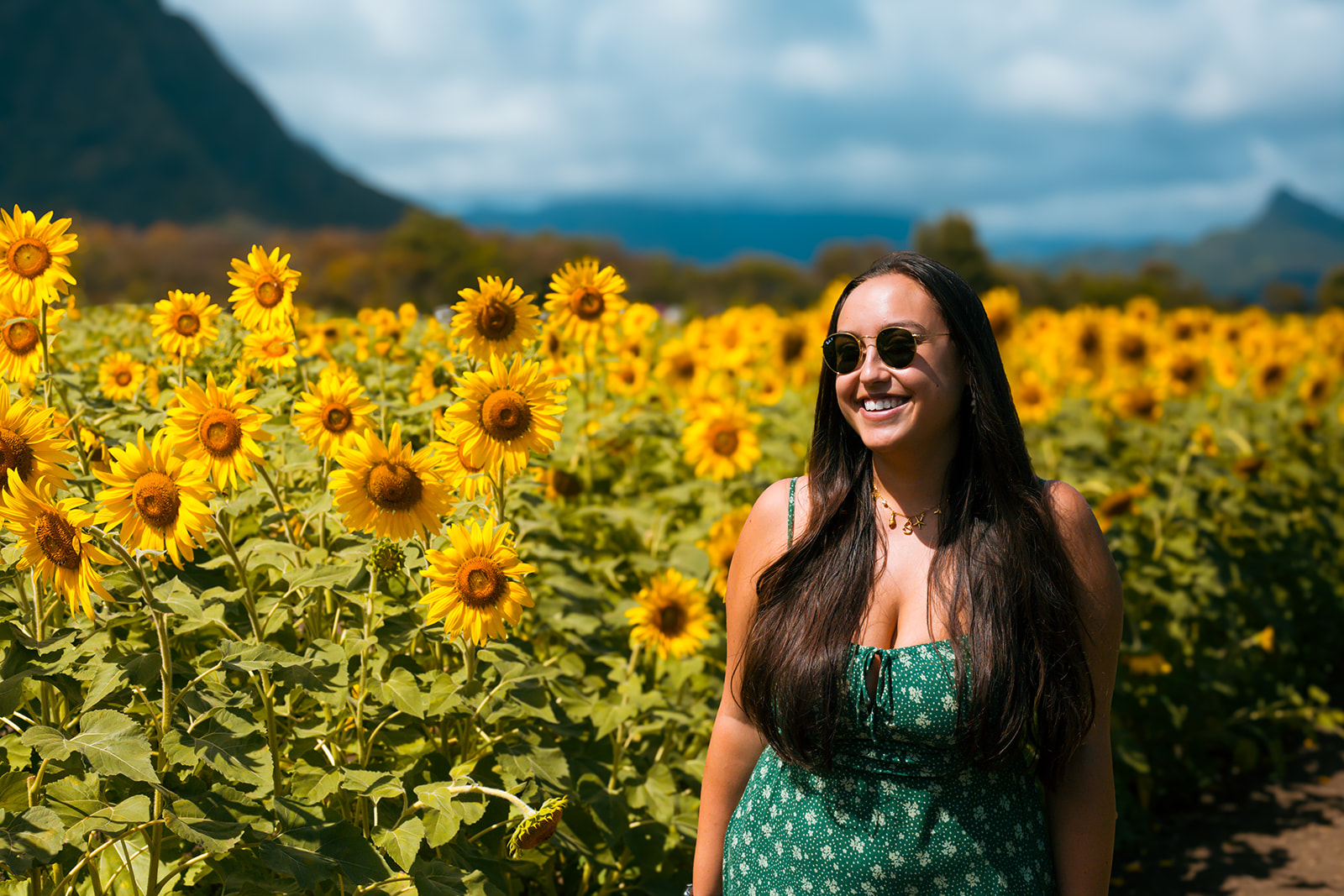
Understanding “Local” vs. “Hawaiian”
This is perhaps an important cultural note for any visitor. In many states, you might call someone a “Californian” or a “Texan” just because they live there. In Hawaii, it works differently.
- Native Hawaiian (Kanaka Maoli): Being “Hawaiian” is an ethnicity, not a residency status. It refers to people who are of Native Hawaiian ancestry and have it in their DNA. Because the Native Hawaiian population is much smaller than it once was, the term is protected and deeply personal.
- Local / Hawaii Resident: If someone grew up here or lives here but does not have Native Hawaiian ancestry, they are Kamaʻāina (a term referring to long-term Hawaii residents, regardless of birth origin or race; it signifies a deep connection to the islands), a “local” or a “resident.” For example, many people (like myself!) grew up here, call this home, and deeply love and support the culture, but we are not Hawaiian.
- Hapa: You will often hear the word Hapa, which refers to people of mixed race. Originally, it meant someone was half Hawaiian and half white, but now the term encompasses more than just Hawaiian; it can be mixed in general. Hawaii is a beautiful melting pot, and many, but not all, people are “Hapa Hawaiian,” meaning they are part Native Hawaiian.
- A Simple Rule: To be respectful, avoid referring to everyone you meet as “Hawaiian.”
Even if you aren’t ethnically Hawaiian, living here or visiting here comes with a responsibility to support the preservation of the history, the land, and the culture that make this place so special.
The Unspoken Language of Aloha
We love seeing people fall in love with our home, but we love it even more when they treat it like a home. In Hawaii, we mālama (take care of) the ‘āina (the land) and our lāhui (group of people/community) because it’s our kuleana (responsibility/privilege).
The Native Hawaiian people have a unique relationship with land and culture, deeply rooted in the concept of Kuleana. Kuleana is a Hawaiian word roughly translated as responsibility and privilege. It refers to the idea that each person has both responsibility and privilege to care for and protect the land and the community to which they belong.
This concept of Kuleana is a reciprocal relationship, central to the Native Hawaiian worldview, playing an essential role in shaping Hawaiian history and relationships [. . .]. As kānaka care for the land, the land also provides for them. Each kānaka would have a function. The community would work together to ensure everyone was cared for.
Don’t leave litter, take a day to work in a lo’i patch, look up from your phone to offer a smile, and don’t hold up traffic to film a palm tree. When you treat this island with respect, it has a way of opening up to you in ways you never expected.
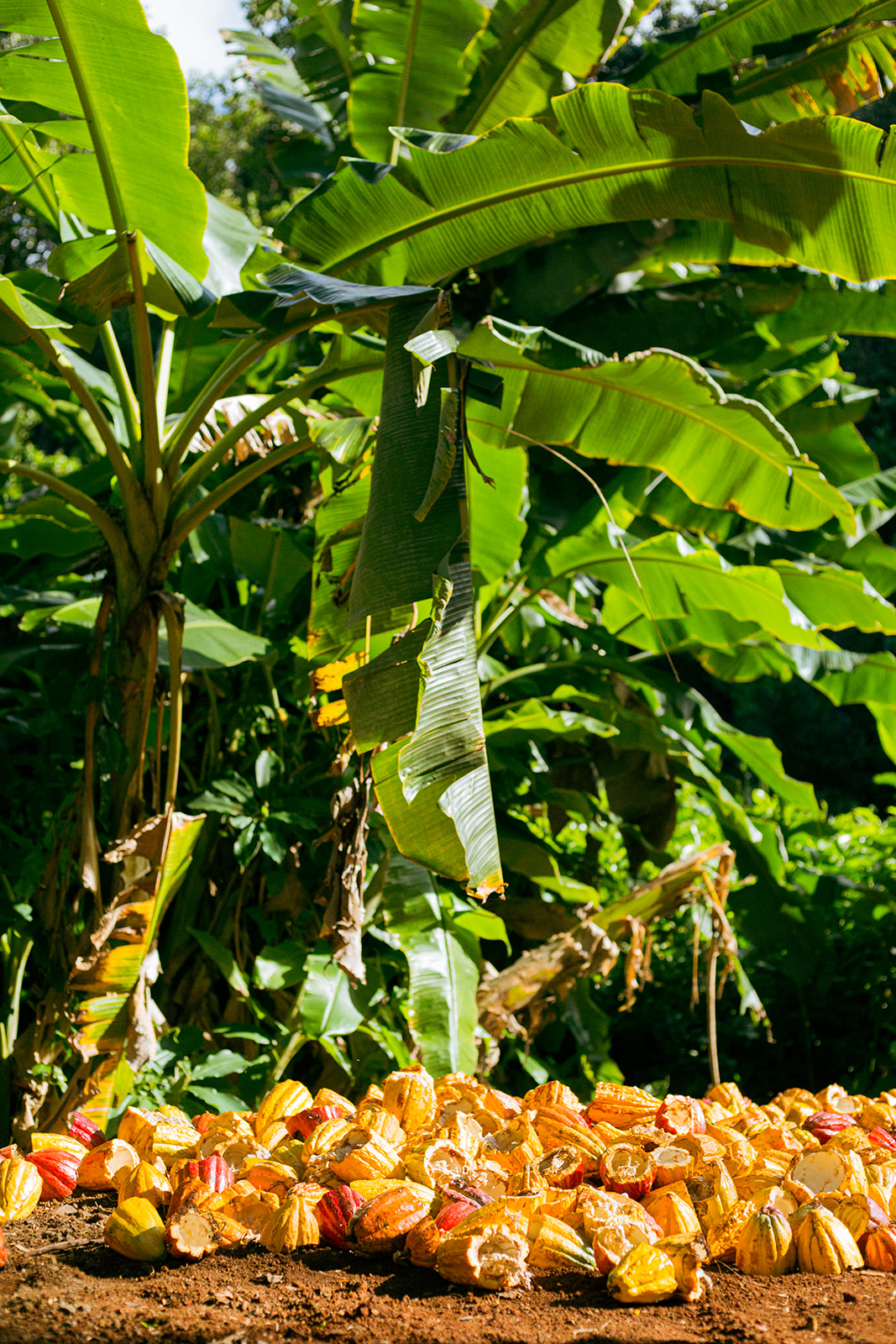
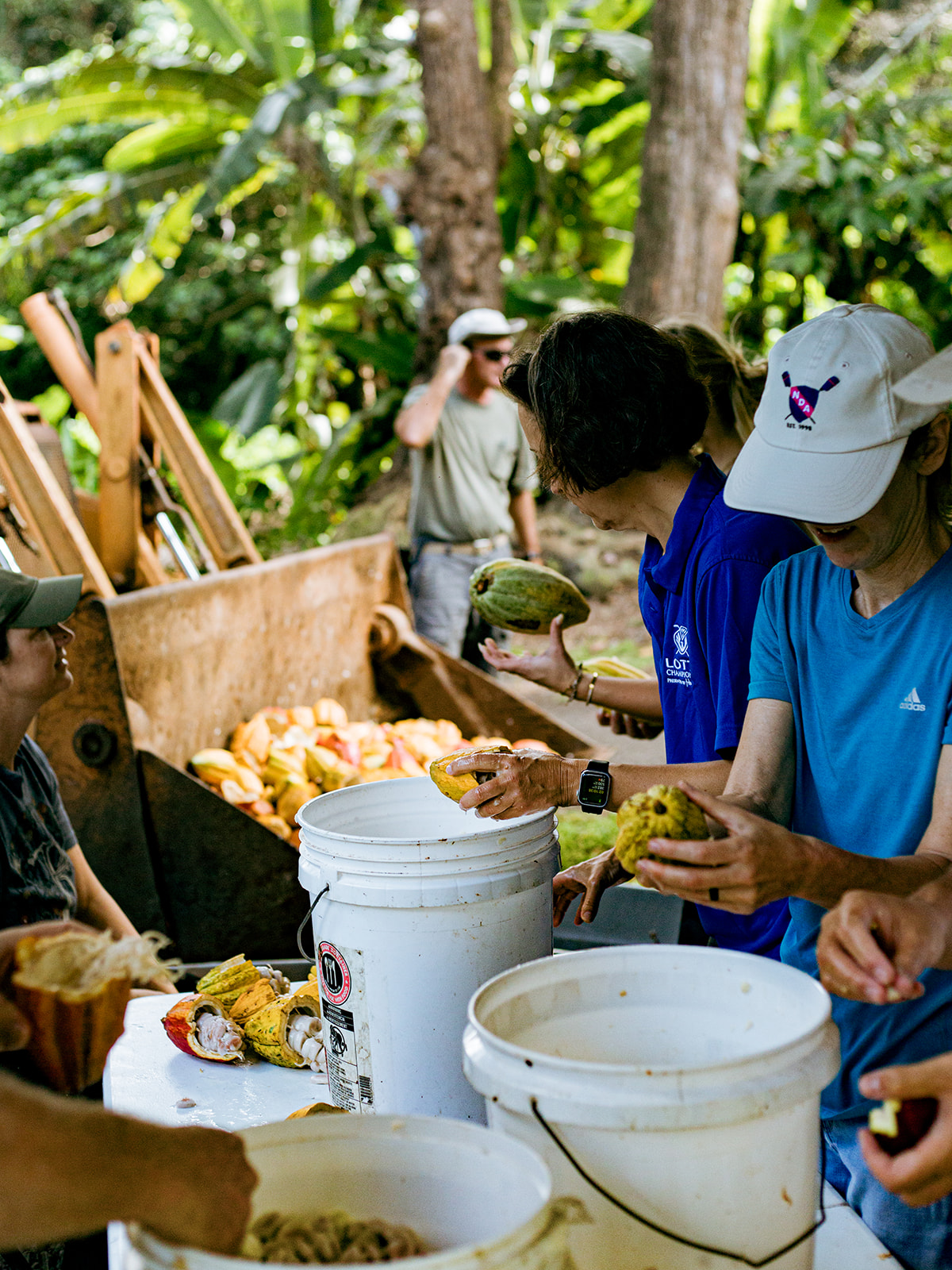
If you’re looking for ways to give back or looking for an excursion or volunteer opportunity at a local farm, like my friends over at 21 Degrees Estate, check the website for the Department of Land and Natural Resources to see the latest volunteer opportunities and sign-ups!

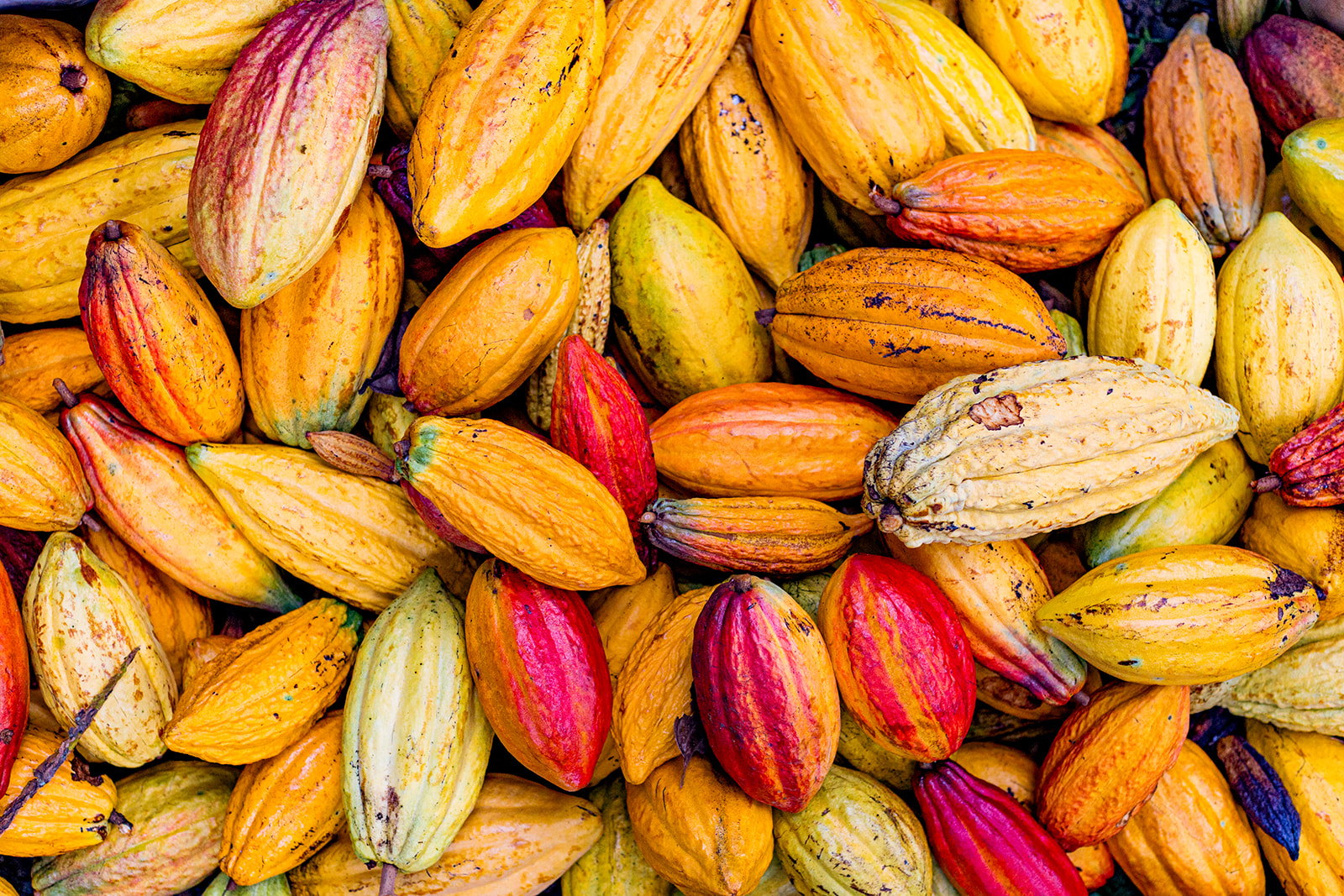
The Price of Paradise: Budgeting for the “30% Rule.”
If you are visiting from the Midwest, Texas, or anywhere with a lower cost of living, prepare yourself: Hawaii is expensive. It is consistently ranked among the most expensive places to live in the U.S., and that shows up in everything you buy.
- Why is it so expensive? We are the most remote island chain on Earth. There is no such thing as “ground shipping” here. Every single box of cereal, gallon of milk, and construction beam has to be flown in or brought over on a massive shipping container. Even if you buy local, the price reflects the high cost of living that our local farmers and business owners have to navigate to stay afloat.
- The Math: Generally speaking, expect costs for food, gas, and essentials to be at least 30% higher than on the mainland.
- Pro Tip: Save a little more than you think you need. Between the higher base prices and our state taxes, your “vacation fund” will disappear faster than a shave ice in the sun if you aren’t prepared!
How to Enjoy O’ahu Without Breaking the Bank
The good news? While the milk is expensive, the best things on the island are often free.
- The Beaches: Every beach in Hawaii is public. You don’t have to pay a “beach fee” to enjoy some of the most beautiful shorelines in the world.
- Volunteering (Mālama Hawaii): This is my favorite “insider” tip I also mentioned above. If you volunteer for a day—perhaps helping restore a local fishpond or cleaning up a beach—you’ll get to see parts of the island that tourists never see. You’ll meet locals, hear stories you won’t find in guidebooks, and often get “behind-the-scenes” access for free.
- Hiking: Aside from a few specific spots that require parking fees or reservations (like Diamond Head), most of our incredible ridge and valley trails are free to explore.
Respecting the Power of the Pacific
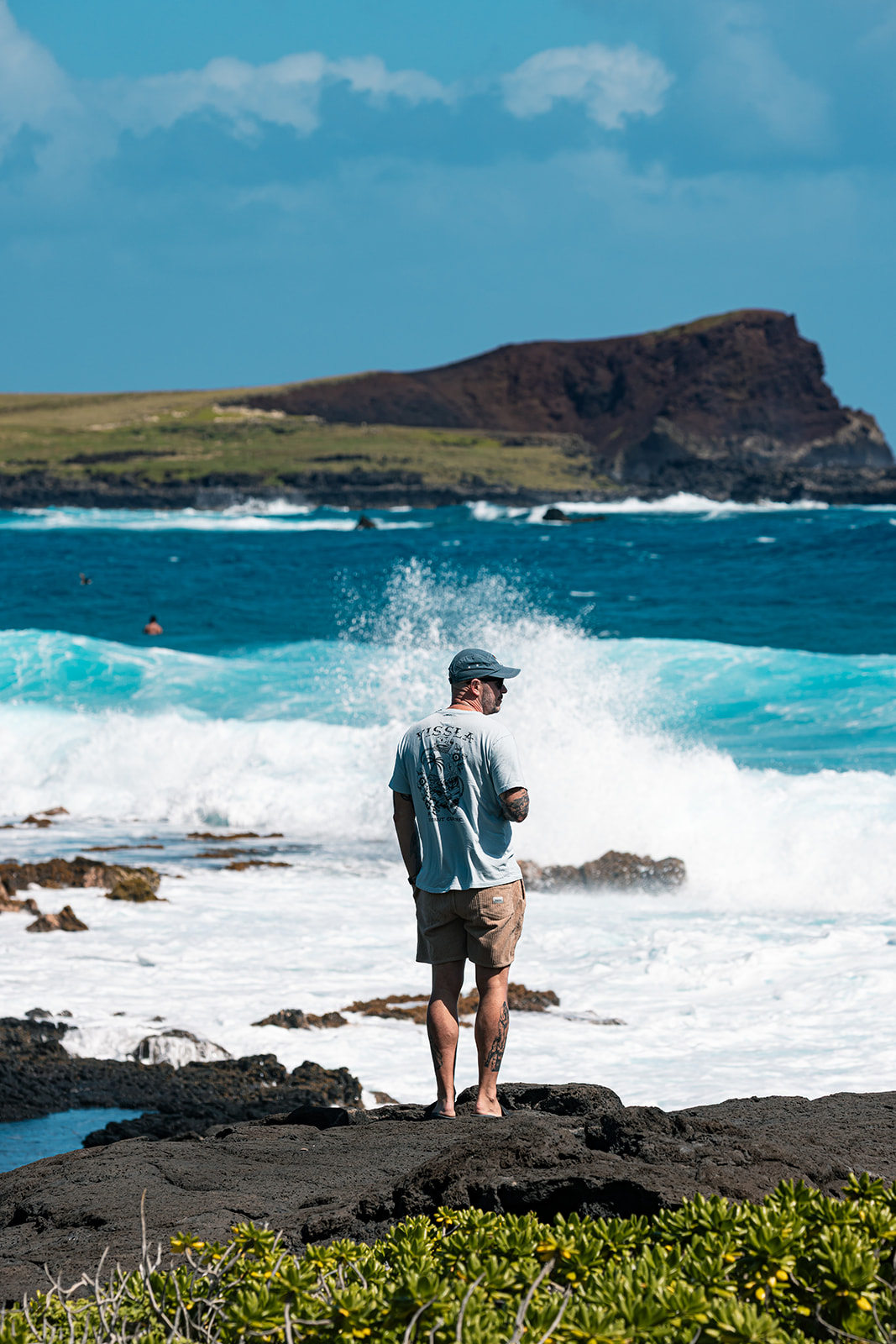
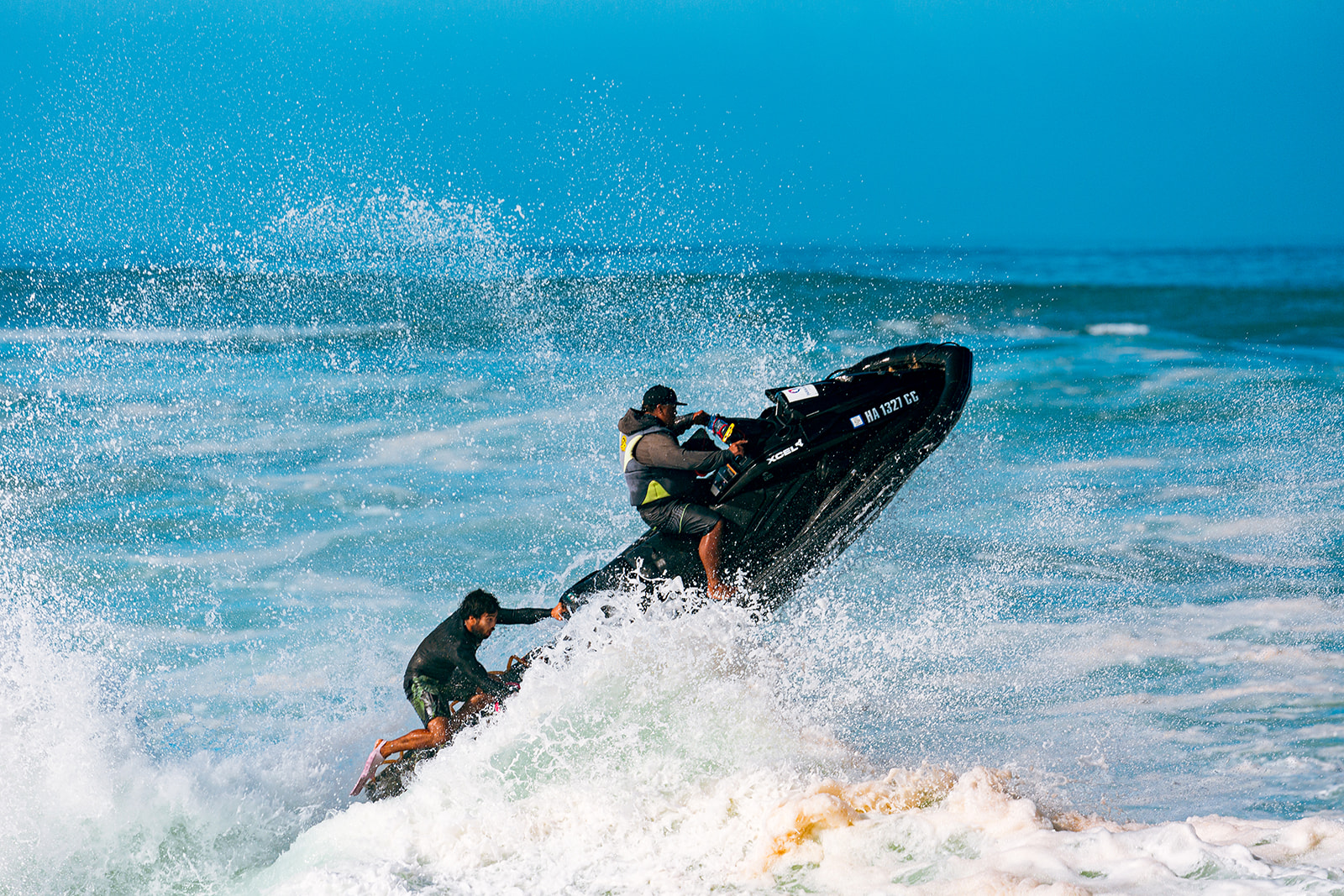
When it comes to the ocean, remember that the Pacific isn’t a swimming pool—it has a heartbeat and a temper. I always tell my clients: if the rocks are wet, the ocean owns them. Even on a calm day, a rogue set can sweep over the “splash zone” and pull you in before you can react. You also have to be mindful of rip currents. These are incredibly deceptive because the water often looks calmer where a rip is pulling out to sea. If you aren’t a strong, comfortable swimmer, please stay near a lifeguard. It is very easy to get pulled out further than you intended, and we want you to love the water safely. If you want to find great info on staying safe in the water or finding the safest beaches, the Hawaiian Lifeguard Association has everything you need.
Wildlife: Is Anything Actually Going to “Get” You?
I get asked all the time: “Are there sharks?” or “What’s hiding in the woods?” The reality of Hawaii’s wildlife is actually very peaceful compared to the mainland.
- On Land: We have no snakes, no bears, and no mountain lions or any large predators. The largest thing you’ll see roaming the mountains is wild pigs, which mostly like to mind their own business (you’ll sometimes see them on the side of the highway!).
- The Real “Scary” Land Dwellers: If anything is going to “attack” you on land, it’s a B-52 (our oversized cockroaches that can fly at your face when provoked) or a centipede. But don’t worry—if you’re staying in a well-maintained hotel, it’s very unlikely you’ll ever meet one. A solid slipper to that buggah will do the trick.
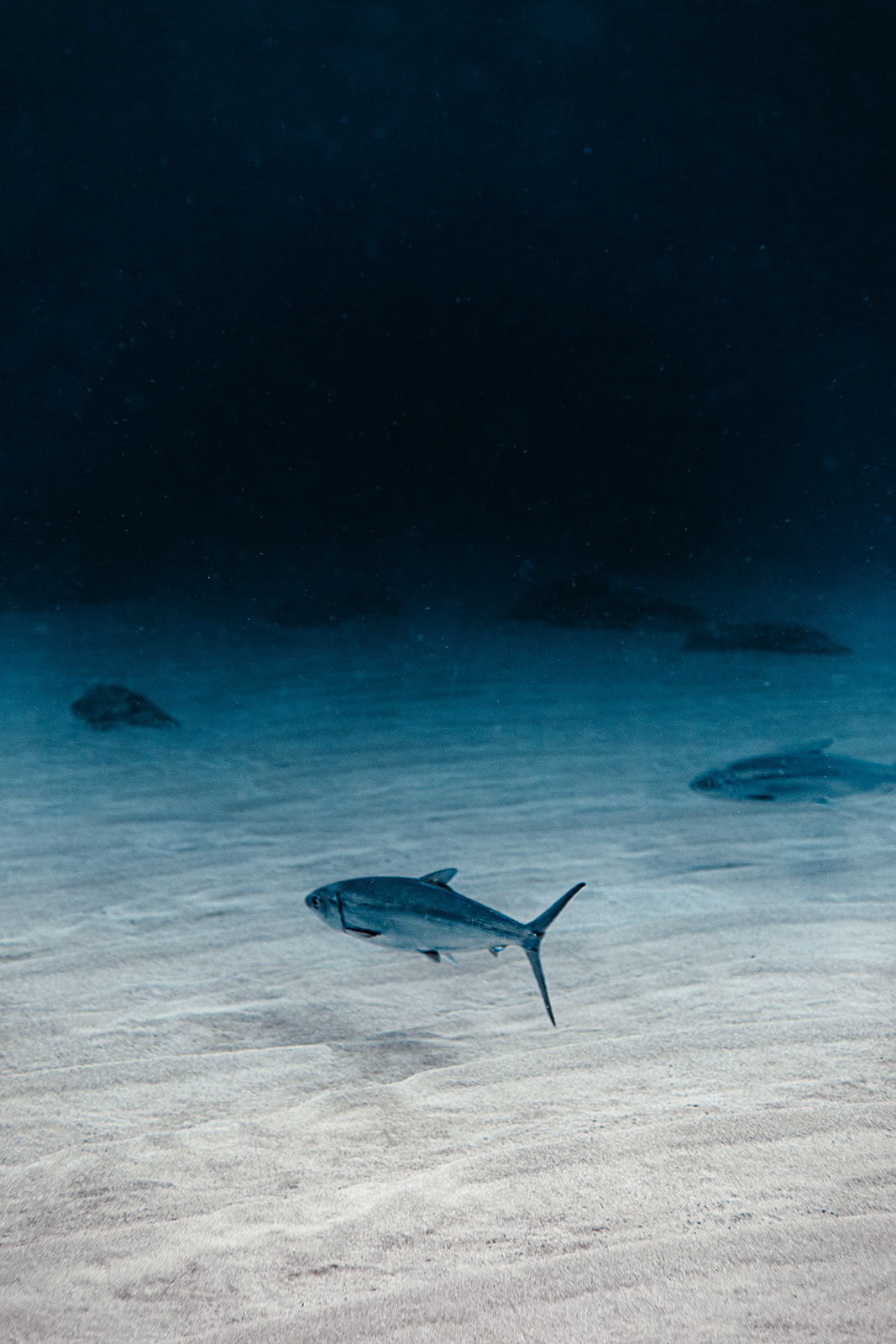
- In the Water: Yes, we have sharks. We also have Honu (sea turtles), monk seals, and thousands of fish.
- Should you be afraid of sharks? Not really. Think of it like seeing a bear while hiking. If you go way out into remote territory or “Sharky” spots, your chances of a sighting go up. But if you’re at a popular beach or on a snorkel tour, sharks want nothing to do with you. They have their own agenda, and humans aren’t on the menu.
- Pro Tip: If you’re nervous, just ask a lifeguard! They are there to keep you safe and are always happy to give you the “ocean report” for the day.
The Reef is Alive (And It’s Breathing for You)
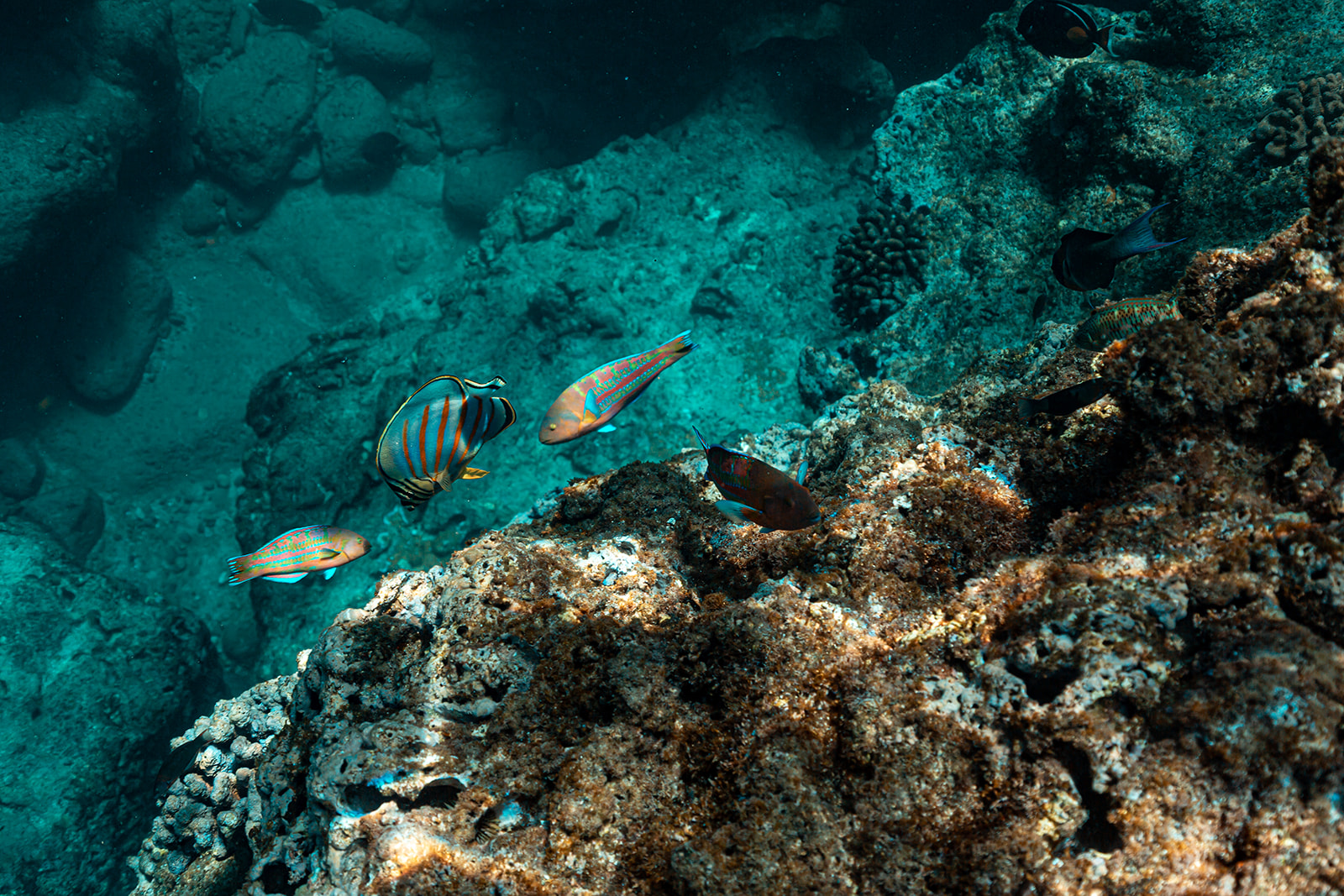
Many people see the reef and think they are looking at colorful rocks. In reality, the reef is a living, breathing organism. Each coral is home to tiny animals called polyps that come out at night to feed. It is a delicate, porous ecosystem that is more important than most people realize—did you know that the ocean’s plankton and ecosystems produce over 50% of the world’s oxygen? That’s more than all the trees on Earth! If you want to “go green,” taking care of the blue is the best place to start.
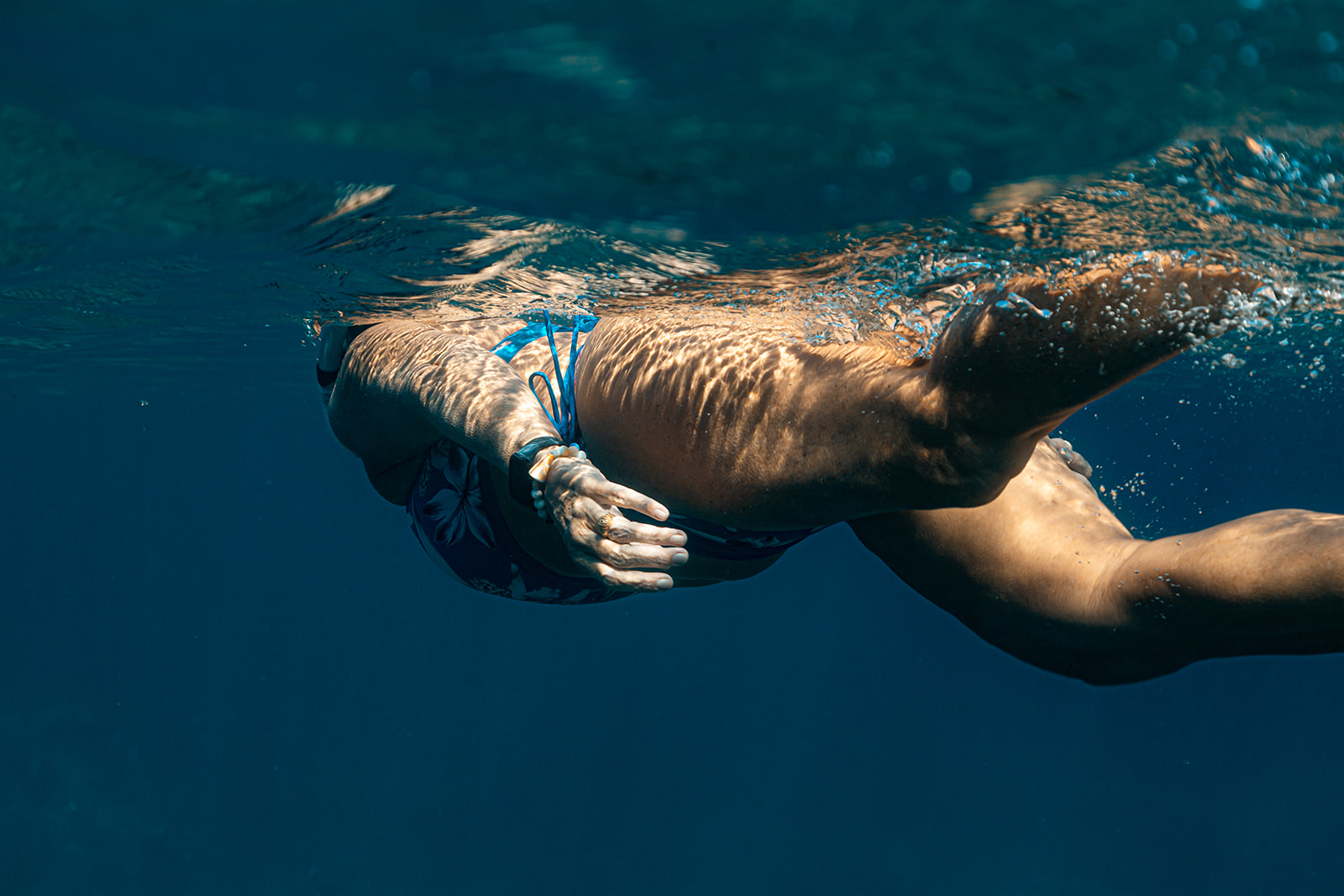
💡 Pro-Tip: look for sunscreen with at least 2.5% Zinc and make sure its water/sweat resistant!
Here is how you can help protect our “underwater lungs”:
- Use Reef-Safe Sunscreen: Non-reef-safe sunscreens contain chemicals that coat coral, such as oxybenzone and octinoxate, effectively suffocating the polyps. This leads to “coral bleaching,” which is just a nice way of saying the animal has died. Buy your sunscreen locally when you get here to ensure it’s truly reef-safe.
- No Touching or Stepping: Even the oils on your skin can be harmful to the coral. And please, never stand on the reef. Even if you are wearing “Reef Walkers” (a terrible name for them!), you should never actually walk on the reef. One accidental kick or a broken piece can stun or kill 10 years of coral growth in a single second.
- Give Space: This is where the fish live. By staying horizontal and floating above the reef rather than standing on it, you’re respecting their home and keeping the ecosystem healthy for generations to come.
The “Border” Crossing
“Do I need a passport?” The short answer: Nope! Even though Hawaii feels like a whole different country (and it should be!), we are a US State. As long as you have the same ID you’d use to fly from New York to California—like a Real ID —you’re good to go. Always check with TSA to make sure your ID meets the criteria, but otherwise, you’re not travelling internationally. No customs, no visas, just aloha.
The Time That Never Changes
Here’s a fun fact: Hawaii does not acknowledge Daylight Saving Time. I actually didn’t even know what “falling back” or “springing forward” meant until I went to college on the mainland! Our clocks stay exactly the same all year round. This means that depending on what time of year you visit, we might be 2, 3, 5, or 6 hours behind wherever you’re coming from. It’s one less thing for us to worry about, and it keeps life simple.
Sunrise, Sunset, and Chasing the Light
If you’re planning a photo shoot or just want to catch the best views, keep an eye on the clock:
- Summer: Sunrise is around 5:50 AM, and Sunset is around 7:15 PM.
- Winter: Sunrise moves to about 7:00 AM, and Sunset happens early, around 5:50 PM.
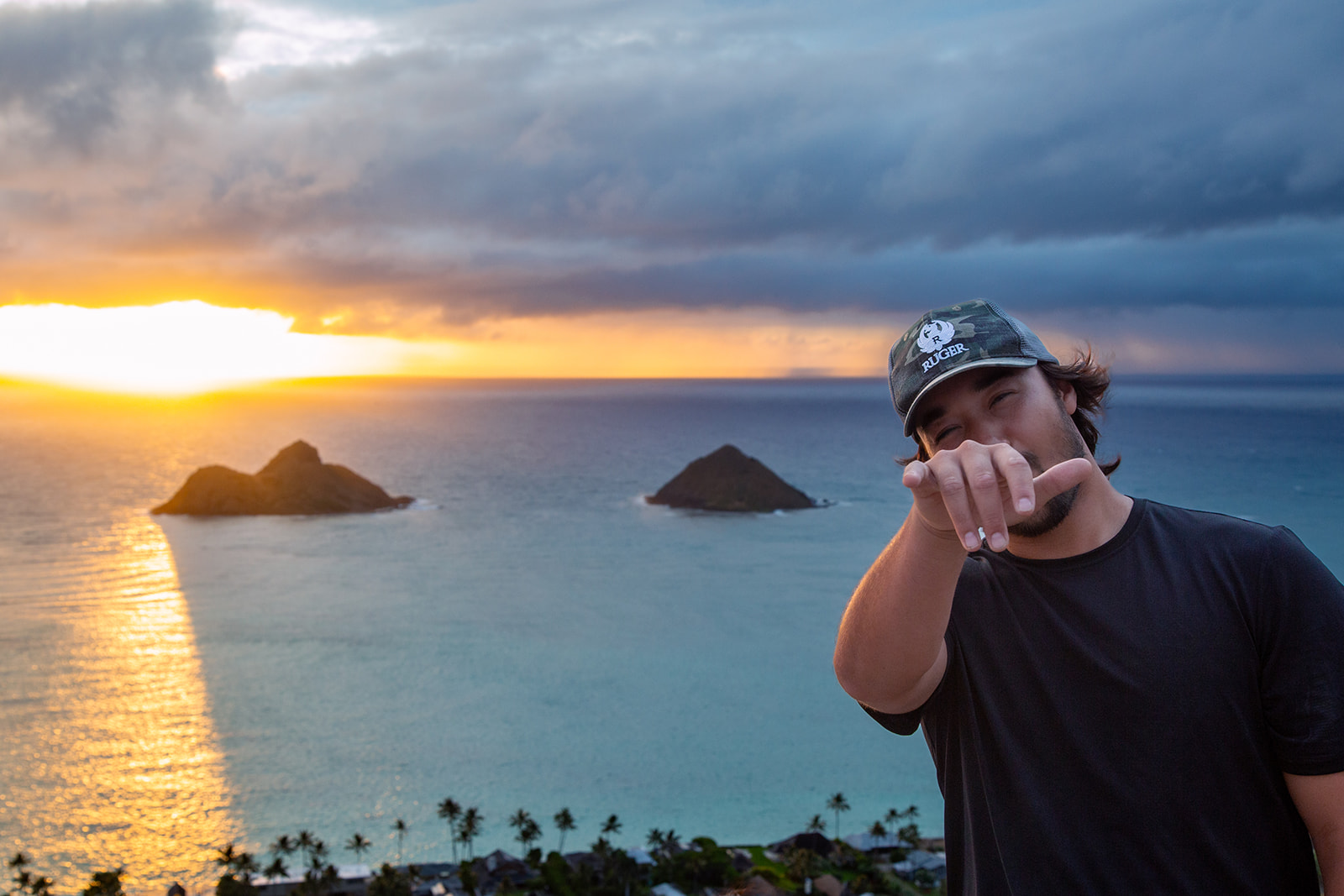
- Note: Winter sunsets are some of the most dramatic and colorful of the year!